
Find the beat. Place the step. Move together.
BUILD RHYTHM AND WEIGHT TRANSFER
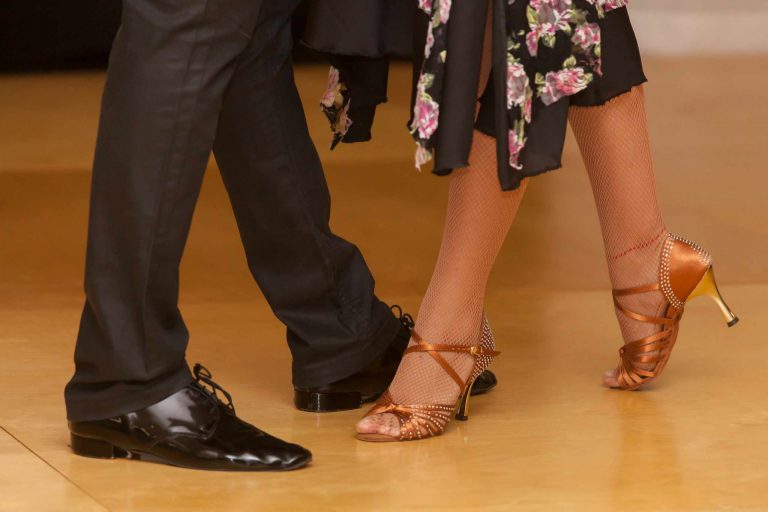
Count the beat, shift your weight fully, and keep basic steps controlled before adding faster movement.
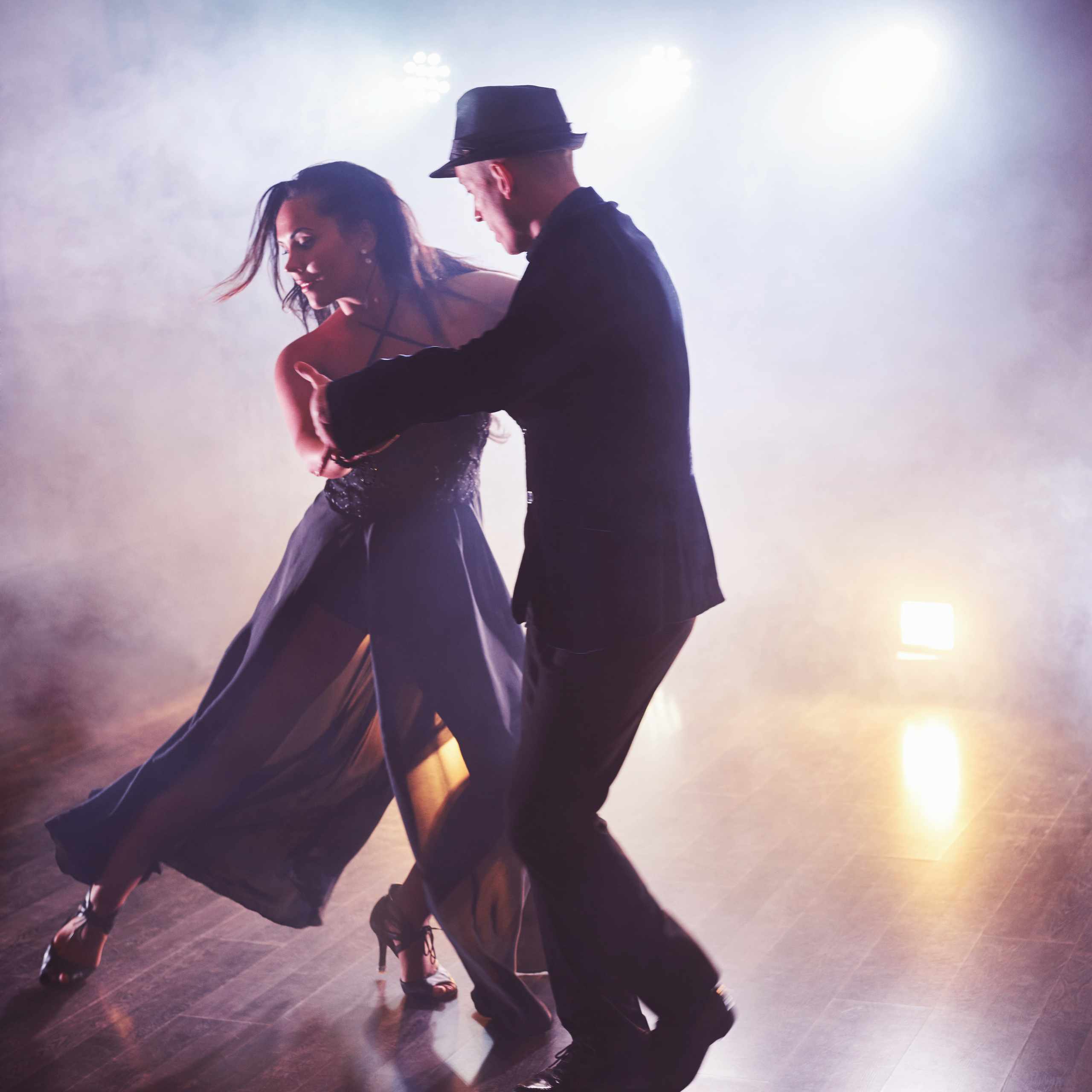

CREATE A RESPONSIVE PARTNER FRAME
Practice comfortable posture and partner connection without gripping, pulling, or holding the arms too rigidly.
CONTROL TURNS AND DIRECTION CHANGES
Use smaller steps, clear foot placement, and steady balance when changing direction across the floor.

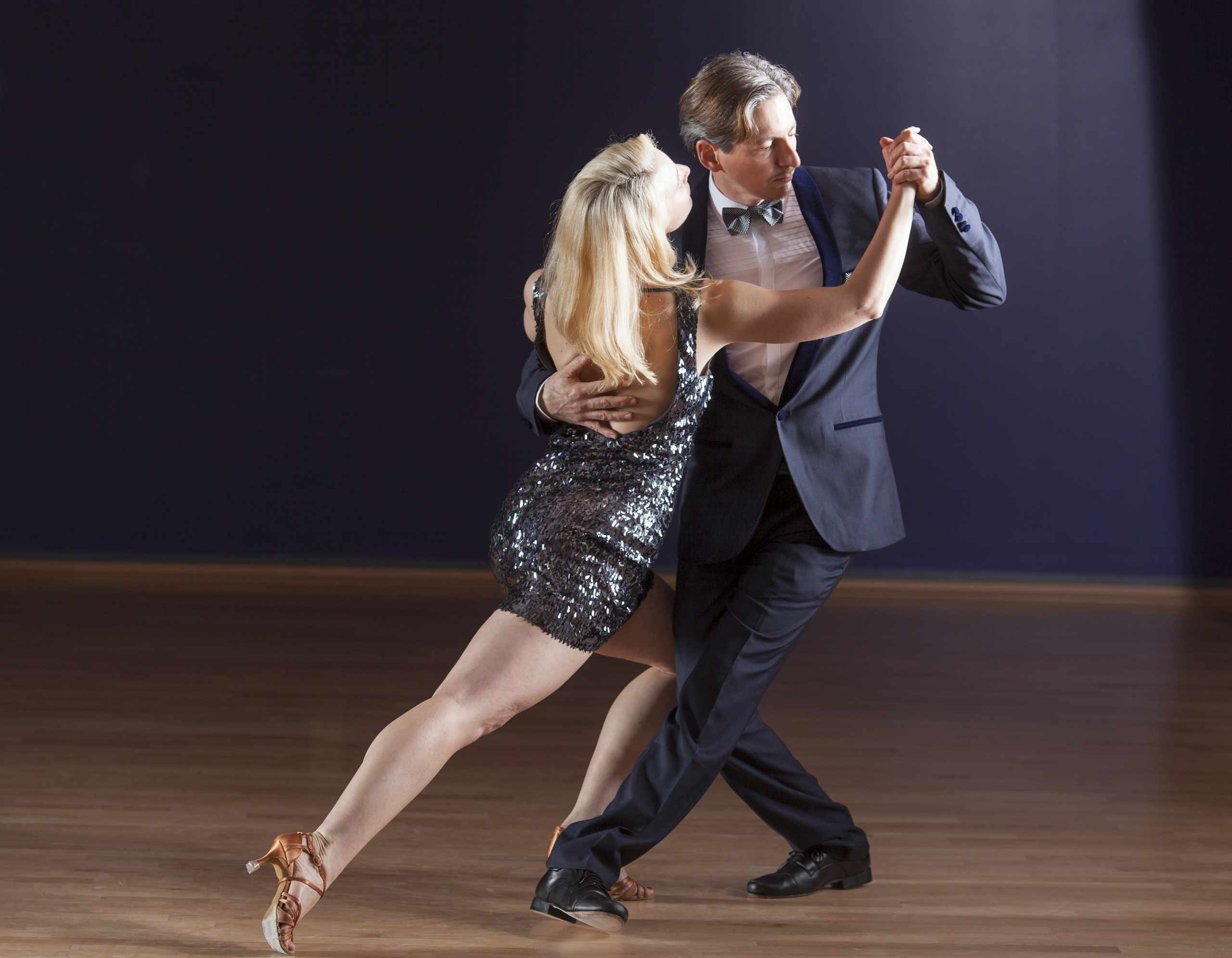
Rhythm, Frame, Footwork & Balance
PRACTICE THE PARTS THAT MAKE BALLROOM STEPS WORK
Ballroom movement becomes easier to understand when timing, posture, weight transfer, and partner connection are practiced separately before being combined. Work through short patterns at a manageable tempo, notice where balance or timing breaks down, and repeat the difficult transition instead of restarting the whole sequence.
-
How to Transfer Weight Cleanly Between Ballroom Steps
If a dancer is feeling off balance while working on his footwork in a dance, it’s very likely his or her weight isn’t properly settled on the leg that the…
-
Why Smaller Steps Can Make Ballroom Dancing Easier to Control
For some reason, as dancers learn ballroom dance technique they will frequently take steps that are too big. The forward step is a good place to check your footwork. If…
-
How to Count Ballroom Music Without Losing Your Footwork
If you find yourself losing your count or falling out of time while dancing, it’s probably because you are trying to do too many things at once. If you’re thinking…
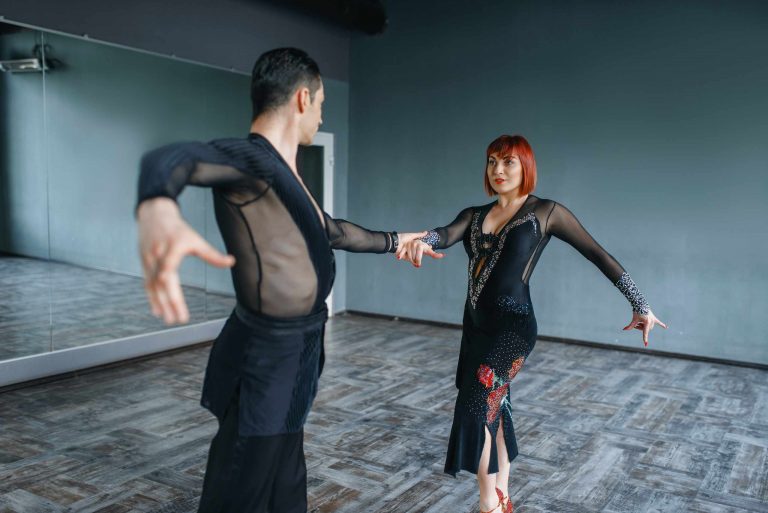
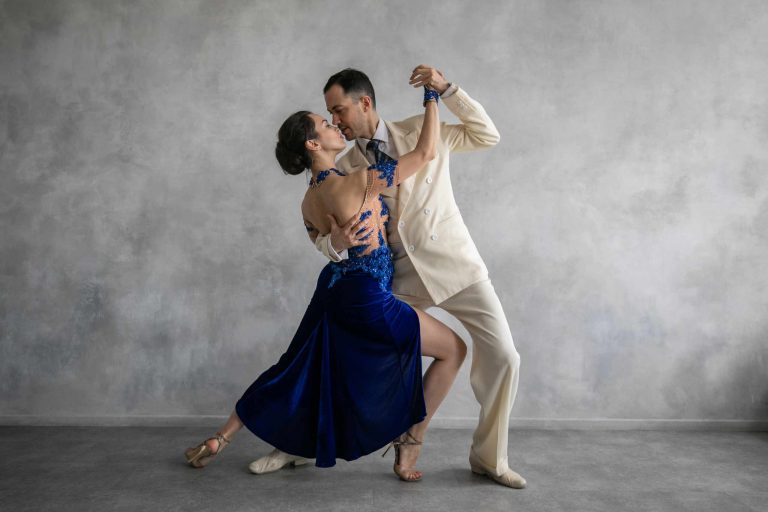
The musical count finally feels usable.
I used to concentrate so much on remembering the foot pattern that I lost the beat almost immediately. Slowing the steps down and counting aloud helped me understand when my weight should actually move. The pattern now feels less like memorizing positions and more like moving with the music.

Smaller steps changed my turns completely.
My turns felt rushed because I was trying to cover too much floor at once. Practicing with smaller steps made it easier to keep my balance and finish facing the right direction. I also started noticing exactly where my weight transfer was breaking down.

Partner connection feels much less forced.
I thought a ballroom frame had to feel firm and fixed, so my arms became tense very quickly. Working on posture and body direction separately helped me understand how the connection can stay stable without gripping. Following simple changes now feels clearer and more comfortable.

Connect the Steps Without the Pause
Knowing two ballroom figures separately does not always make the transition between them automatic. Practice the final weight transfer of one pattern together with the opening step of the next, first without music and then at a comfortable tempo. This keeps attention on the exact moment where timing, foot placement, or partner direction needs adjustment.